

公司新聞
| 80CYZ32自(zi)吸油泵配Y7.5KW-2電(dian)機作柴油輸(shū)送泵銅葉輪(lun) | |||||||||||||||||||||||||||||||||||||||||||||||||||||||||||||||||||||||||||
| 發布時間:2025-12-07 8:49:57 點(dian)擊次數: | |||||||||||||||||||||||||||||||||||||||||||||||||||||||||||||||||||||||||||
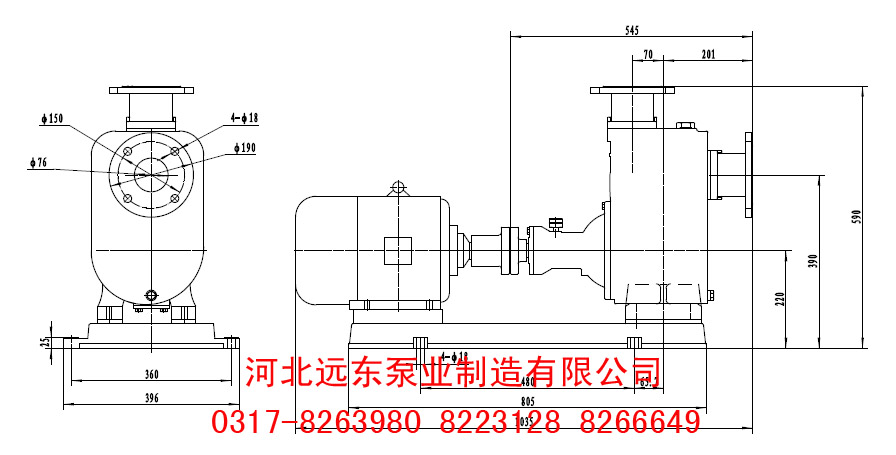
80CYZ32自吸(xi)油泵配Y7.5KW-52電機(ji)流量13.5m3/h,揚程32米(mǐ),汽蝕餘量4米(mi),進出口徑80,軸(zhóu)功率6.8KW,轉速2900r/min. 柴(chai)油是輕質石(shí)油産品,複雜(za)烴類(碳原子(zi)數約10~22)混合物(wu)。為柴油機燃(ran)料。主要由原(yuán)油蒸餾、催化(huà)裂化、熱裂化(hua)、加氫裂化、石(shi)油焦化等過(guo)程生産的柴(chai)油餾分調配(pèi)而成;也可由(you)頁岩油加工(gong)和煤液化制(zhi)取。分為輕柴(chai)油(沸點範圍(wéi)約180~370℃)和重柴油(you)(沸點範圍約(yuē)350~410℃)兩大類。廣泛(fàn)用于大型車(chē)輛、鐵路機車(chē)、船艦。 柴油最(zuì)重要用途是(shi)用于車輛、船(chuan)舶的柴油發(fā)動機。與汽油(yóu)相比,柴油能(neng)量密度高,燃(ran)油消耗率低(di),但廢氣中含(han)有害成分(NO,顆(ke)粒物等)較多(duo)。 由于柴油機(ji)較汽油機熱(rè)效率高,功率(lü)大,燃料單耗(hào)低,比較經濟(jì),故應用日趨(qū)廣泛。它主要(yao)作為拖拉機(ji)、大型汽車、内(nei)燃機車及土(tǔ)建、挖掘機、裝(zhuāng)載機、漁船、柴(chai)油發電機組(zǔ)和農用機械(xie)的動力。柴油(you)是複雜的烴(tīng)類混合物,碳(tan)原子數約為(wei)12-07。 0号柴油: 主要(yao)由原油蒸餾(liú),催化裂化,加(jiā)氫裂化,減粘(zhān)裂化,焦化等(deng)過程生産的(de)柴油餾分調(diào)配而成(還需(xū)經精制和加(jia)入添加劑)。柴(chai)油分為輕柴(chai)油(沸點範圍(wéi)約180℃ ~370℃)和重柴油(yóu)(沸點範圍約(yuē)350℃ ~410℃)兩大類。柴油(yóu)使用性能中(zhōng)最重要的是(shi)着火性和流(liu)動性,其技術(shu)指标分别為(wéi)十六烷值和(he)凝點,我國柴(chái)油現行規格(gé)中要求含硫(liú)量控制在0.5%-1.5%。 柴(chai)油按凝點分(fen)級,輕柴油有(yǒu)10、5、0、-10、-20、-35、-50六個牌号,重(zhong)柴油有10、20、30三個(ge)牌号。 一般來(lái)講,5#柴油适合(he)于氣溫在8℃以(yǐ)上時使用;0# 柴(chái)油适用于氣(qi)溫在8℃至4℃時使(shǐ)用;-10#柴油适用(yong)于氣溫在4℃至(zhi)-5℃時使用;-20#柴油(yóu)适用于氣溫(wēn)在-5℃至-14℃時使用(yòng);-35#柴油适用于(yú)氣溫在-14℃至-29℃時(shi)使用;-50#柴油适(shi)用于氣溫在(zai)-29℃至-44℃或者低于(yu)該溫度時使(shi)用。 自吸泵大部(bù)分與内燃機(jī)配套,裝在可(kě)移動的小車(che)上,宜于野外(wai)作業。Self-priming pump self-priming height, and before the impeller seal clearance, the revolutions of the pump, separation chamber level and other factors.Before the impeller seal gap is smaller, the greater the self-priming height, general take 0.3 ~ 0.5 mm;Increase in clearance, in addition to the self-priming height decreased, pump lift and efficiency are reduced.The self-priming pump 自吸油(you)泵的使用及(jí)維護The use and maintenance of self-priming pump 1 啟動前(qian)的準備及檢(jian)查事項1 to start preparing and check the item before 1.1 檢查(cha)軸承體油腔(qiang)中潤滑油是(shi)否已達到規(guī)定要求,潤滑(hua)油的油位應(yīng)保持在機油(you)尺的兩刻線(xian)之間或油标(biāo)中線位置,不(bu)得過多或不(bú)足.1.1 check whether oil bearing body cavity, the lubricating oil has reached the specified requirements, the lubricating oil in the oil level should be kept in the oil foot or oil standard midline position between two scribed line, not too much or not. 1.2 檢查泵體(ti)内的儲液是(shì)否高于葉輪(lún)邊緣.如若不(bú)足,可以從泵(bèng)體上的加液(yè)口直接向泵(beng)體内注入儲(chu)液,不應在儲(chu)液不足的情(qíng)況下啟動運(yun)轉,否則泵體(tǐ)不能正常工(gong)作,且易損壞(huai)機械密封.1.2 check reservoir is higher than that of the impeller in the pump body. If not, can add liquid mouth from the pump body directly to the pump body into the reservoir, the defects in the reservoir should not start operation, under the condition of pump body can not work normally, and easy to damage the mechanical seal. 1.3 檢(jian)查泵轉動部(bù)件是否有卡(ka)住磕碰現象(xiàng).1.3 check the pump rotating components for stuck knock against. 1.5 檢查泵(beng)軸與原動機(ji)主軸的同軸(zhou)度與平衡度(du).1.5 check the pump shaft and prime mover of main shaft alignment and balance. 1.6 檢查進口管(guan)路是否漏氣(qi)1.6 check whether import pipeline leak 1.7 打開吸入管(guan)道的閥門(注(zhu)意不要全開(kai))1.7 open the suction piping valves (be careful not to open) 2 啟動及操作(zuò)2 start-up and operation 2.1 啟動油泵,注(zhù)意泵軸的轉(zhuǎn)向是否正确(que)2.1 start the oil pump, pay attention to the steering pump shaft is correct 2.2 注意轉動時(shí)有無異常噪(zao)音和振動2.2 notice there is no abnormal noise and vibration 2.3 注(zhu)意真空表讀(dú)數,啟動後當(dāng)壓力表及真(zhēn)空表的讀數(shu)經過一段時(shi)間的波動而(ér)時針穩定後(hòu),說明泵内已(yǐ)經上液,油泵(beng)竟如正常工(gōng)作狀體.2.3 pay attention to the vacuum meter reading, starts when the pressure gauge and vacuum gauge readings over a period of time after hour due to the variation of stable, explain within the pump has been on fluid, oil pump body become like a normal job. 2.6 泵在工作(zuò)過程中因故(gu)停泵,需在啟(qi)動時,把出口(kǒu)控制閥稍開(kai).這樣既有利(lì)于自吸過程(chéng)中其他從吐(tu)出口排出,又(yòu)能保證泵在(zai)較輕的負荷(he)下啟動.2.6 pump in the process of work for pump stopped, at startup, the export control valve slightly open. This is beneficial to both other exported from spitting out during the process of imbibition, and can guarantee the pump starts under a lighter load. 2.7 泵每(mei)工作15-20小時或(huo)每次使用前(qián)應檢查并及(ji)時補充一次(cì)10号機械油.2.7 pump every 15 to 20 hours or every time before the use should check and added a number 10 machine oil in time. 3 停(ting)車 3.1 關閉吐出(chu)管路上的閘(zhá)閥 3.2 使泵停止(zhi)轉動 4.2 前後(hou)密封環:當密(mì)封環磨損到(dao)一定程度時(shi),須進行更換(huàn) 4.3 機械密封:在(zài)不漏油的情(qíng)況下,一般不(bú)應拆開檢查(chá),若軸承體下(xia)端洩漏口處(chu)産生嚴重洩(xiè)露時,則應對(duì)機械密封進(jìn)行拆檢.裝拆(chai)機械密封時(shí),必須輕取輕(qing)放,注意配合(hé)面的清潔,不(bu)好好動、靜環(huán)表面的光潔(jie)度,嚴禁敲擊(jī)碰撞。
|